 Reviews


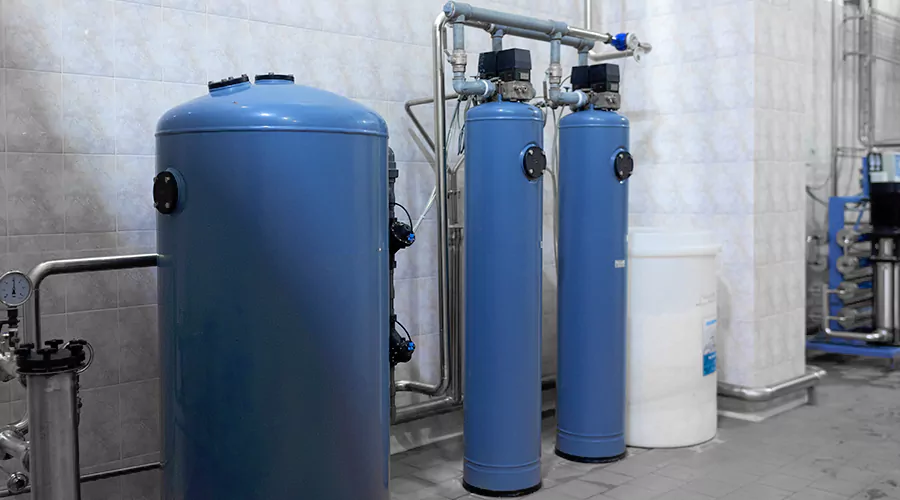
Most water softener clogs cost $0 to fix and take about 15 minutes with a broom handle. Left alone, the same clog feeds hard water back into your home, and neglected softening can damage appliances to the tune of $5,000 or more.
A clogged water softener usually looks full of salt while producing zero brine underneath the crust.
Learning how to unclog a water softener yourself beats the $100 to $300 a pro charges for a salt bridge repair. The full walkthrough is below.
Signs of a Clogged Water Softener
Nine signs reveal a clog before you ever open the tank lid. Check your fixtures and your salt bag receipts first. Hard water returning while salt sits untouched is the classic pairing, and it points straight at the brine tank.
- Soap won't lather the way it did last month.
- Scale buildup returns on faucets and fixtures.
- Spots reappear on glasses out of the dishwasher.
- The salt level hasn't dropped in weeks.
- Laundry feels stiff or looks dull.
- Excess water sits in the brine tank and won't drain after regeneration.
- Skin and hair feel dry after showers.
- The system regenerates but nothing changes.
- A hard dry salt layer sits on top with empty space underneath.
Insider tip: your water heater confirms the diagnosis. Popping sounds returning to the tank mean hard minerals are getting through again.
What Causes the Clog?
A salt clog in water softener tanks forms as either a bridge on top or mush at the bottom. Bridging happens when salt clumps into one crusted mass that water can't dissolve, which stops brine production entirely. Each type needs a different fix.
- Bridges dominate the service calls: Salt bridging is one of the most frequent causes of a clogged tank, so most salt clog water softener cases start at the crust rather than the bottom.
- Humidity does the damage: High humidity environments, 50 to 60% of systems experience the issue.
- Mush is the second offender: Salt mushing congeals into a sludge layer at the bottom that blocks the water intake and makes the tank overflow during regeneration. A water softener salt clog of either kind traces back to the same roots, since impurities in low-grade salt contribute to both clumping and mushing.
- Hardware can clog too: A water softener blockage sometimes hides in the venturi valve, the injector or the drain line rather than the salt itself. Regular water softener maintenance helps catch these blockages early and keeps the brine system working properly.
Insider tip: overfilling the salt tank is a leading bridge cause. A tank stuffed to the lid holds standing salt long enough to fuse.
Breaking a Salt Bridge
The fastest way to unclog a water softener is breaking the bridge with a broom handle. The steps for how to unclog water softener crusts are identical across brands. You need a broom handle, a scoop and warm water. Budget 15 minutes.
- Turn off the water supply or flip the bypass valve.
- Tap the salt surface gently with the broom handle. A hollow feel confirms the bridge.
- Work around the crust and break it into chunks. Use only the force needed because you want to break the bridge, not the tank.
- Scoop the broken pieces out with a strainer or pet scoop.
- Pour warm water over any stubborn sections to dissolve them.
- Add fresh salt, let it sit for an hour, then run a manual regeneration cycle.
Insider tip: some brine tanks have platforms at various heights inside. Probe carefully so you don't crack one while breaking the crust.
How to Unclog Salt From Water Softener Tanks?
Mush at the bottom needs a full cleanout rather than a quick jab. Here's the tell: if the broom handle sinks a short way into the salt and stops, the tank is clogged with congealed salt. Plan on 45 minutes.
- The process empties everything: Break up the mush with the handle, remove all loose salt, clear the intake valve and clean the brine tank with warm soapy water. Scoop the chunks into a bucket and vacuum the remaining water out with a wet/dry vac.
- Refill with restraint: Add fresh salt to no more than half full, restore the water, add about 10 inches of water back into the tank and set the softener to regenerate. A clogged brine tank almost never repeats when the refill uses a higher purity of salt.
Insider tip: photograph the intake assembly before removing anything. Reassembly from a photo takes two minutes instead of twenty.
Clearing the Venturi Valve and Injector
Soft crust gone but still no brine draw means the blockage moved upstream. The venturi and injector create the suction that pulls brine into the resin tank. Sediment or salt fines plug these small passages and stop the whole cycle quietly.
Access is easier than it sounds on most units. Unscrew the venturi housing cap near the control head, lift out the small parts in order and rinse each one in warm water. A water softener plugged at the injector can't use salt at all, and a clogged injector interferes directly with the system's ability to draw brine.
Reassemble finger-tight and run a regeneration to test. If the draw still fails, the problem sits in the control head or electronics, and circuit board malfunctions need expert support.
What Ignoring the Clog Costs?
Every week of hard water raises the eventual bill. The clog itself never gets more expensive, but the damage downstream compounds monthly. The table below shows the 2026 escalation path from a free fix to a four-figure regret.
| Stage | What's happening | 2026 cost |
|---|---|---|
| Week 1 | Salt bridge, no brine | $0 DIY fix |
| Month 1 | Pro visit for the same bridge | $100 to $300 |
| Year 1 | Hard water fouls the resin bed | $200 to $400 for resin replacement |
| Years 2+ | Scale attacks the water heater and appliances | $5,000+ in damage |
Resin degradation also taxes you invisibly. A failing bed drives $100 to $300 in extra annual salt consumption as the system strains to compensate.
When to Call a Professional?
Call a pro when the clog outlives your cleanout or the hardware fails. Water softener repair runs $150 to $600, and a service call alone costs $40 to $100 without parts. Anything electronic belongs in that column from the start.
Specific triggers make the decision easy:
- Brine draw fails after cleaning the venturi and injector.
- Yellow resin fragments appear in household water, which means the bottom distributor needs replacing too.
- The control head won't advance through its cycles.
- Water pressure drops across the whole house.
- The tank overflows repeatedly after a full cleanout.
Age settles borderline calls. Softeners last 10 to 15 years, so a troublesome system past ten deserves replacement quotes rather than repairs. Under ten years old, repair makes sense when it stays below 50% of a new unit's price.
Prevention Beats Every Fix
Five habits keep salt loose and brine flowing for pennies. The full routine costs under $20 a year against a $300 service call. Humidity control and salt discipline do most of the work.
- Fill smart: Keep salt below two-thirds of tank capacity so it never sits long enough to fuse.
- Buy better salt: High-quality evaporated salt minimizes bridging, and high purity leaves less residue behind.
- Test monthly: Press the salt surface with a blunt tool to catch a forming bridge early.
- Clean on schedule: Wash the brine tank every 6 to 12 months.
- Dry the room: A $50 dehumidifier near the softener removes the moisture that starts every bridge.
Conclusion
A crust on top or sludge on the bottom explains nearly every dead softener. The broom handle fixes the first and a 45-minute cleanout fixes the second, both for free. Hardware and electronic failures are the pro's territory. This week, tap your salt surface with a broom handle and find out which side of the fix you're on.